
Smart Home Selling Strategies to Attract Buyers Faster

A home can look great, be priced well, and still sit longer than expected. The issue is often exposure. Buyers need to see the home, understand its value, and feel enough interest to book a showing.
The right plan does that fast. These Smart Home Selling Strategies to Attract Buyers Faster focus on clear photos, smart online reach, local visibility, strong open houses, and agent relationships that bring real buyers through the door.

Reach the right buyers where they already spend time
Social media can put a listing in front of people who may not be searching every day. That includes local renters, out-of-town buyers, and people watching a specific neighborhood.
Focus on short, useful content. Do not post only the listing link.
Try these formats:
A 15-second video walk from the front door to the main living space
A quick clip showing the kitchen, backyard, or view
A post about nearby parks, schools, trails, shops, or commute routes
A carousel showing the best five features of the home
A short “before the open house” reminder on the morning of the event
Paid social posts can also help. Keep the message clear and fair. Avoid language that could exclude people based on protected classes. Use broad location-based reach, then let the home’s features do the work.
For example, a small condo near a commuter rail stop could be shown with a simple video: front entry, living room, balcony, and walking path nearby. The caption could mention easy access to transit and low-maintenance living. That gives buyers context, not just square footage.
Practical tip: Use the first three seconds well. Lead with the best visual, not the front door if the kitchen or view is stronger.

Make the home easy to tour before the showing
Buyers scroll fast. Blurry photos lose them. Dark rooms make spaces look smaller. A strong photo set can make a home feel worth seeing in person.
Professional photography is often worth it. Good lighting, straight lines, and wide but realistic angles matter. The goal is not to hide flaws. The goal is to show the home clearly.
A strong listing gallery should include:
Front exterior
Main living area
Kitchen
Primary bedroom
Bathrooms
Outdoor space
Storage, garage, or bonus areas
Street or neighborhood view when it helps
Virtual tours add another layer. They help buyers understand the layout. They also help relocation buyers, busy families, and people comparing several homes in one day.
A real-life example is a two-story home with bedrooms upstairs and a finished basement. Photos show rooms. A virtual tour shows flow. Buyers can see how the kitchen connects to the dining area, where the stairs sit, and how the basement could work as a media room or guest space.
Practical tip: Review the photos on a phone before the listing goes live. Most buyers will see them there first.

Use local search to catch buyers with clear intent
Many buyers search by place before they search by address. They type phrases like “homes near downtown,” “houses near hiking trails,” or “condos in walkable neighborhoods.” That is where local SEO can help.
The listing page should include real neighborhood details. Mention nearby main roads, parks, shopping areas, public transit, and local amenities when they are accurate. Do not overdo it. Keep the copy helpful.
Good listing copy might say:
“This home sits near local coffee shops, grocery stores, and a neighborhood park, with quick access to major roads for commuting.”
That works better than vague phrases like “great location.” It gives buyers something to picture.
If a real estate agent has a website or Google Business Profile, the listing can also be supported with a short blog post or neighborhood page. For example, a post about “What buyers like about homes near Lakewood parks” can point to the active listing if it fits.
Practical tips:
Use the neighborhood name naturally
Add descriptive image alt text to listing photos when possible
Keep the address, price, and key details consistent across sites
Mention nearby features only if they are truly nearby
Update listing pages when open house times change
Turn open houses into neighborhood moments
Open houses still work when they feel planned, not passive. The goal is to create a reason to visit and a reason to stay.
Start with the basics. The home should be clean, bright, and easy to walk through. Remove extra furniture. Open blinds. Set a comfortable temperature. Place simple information sheets near the entrance.
Then add a local touch.
A good open house might include:
Light snacks from a nearby bakery
A simple neighborhood handout
A list of recent local updates, such as new trails or community spaces
A clear sign-in process for follow-up
A second agent to answer questions during busy times
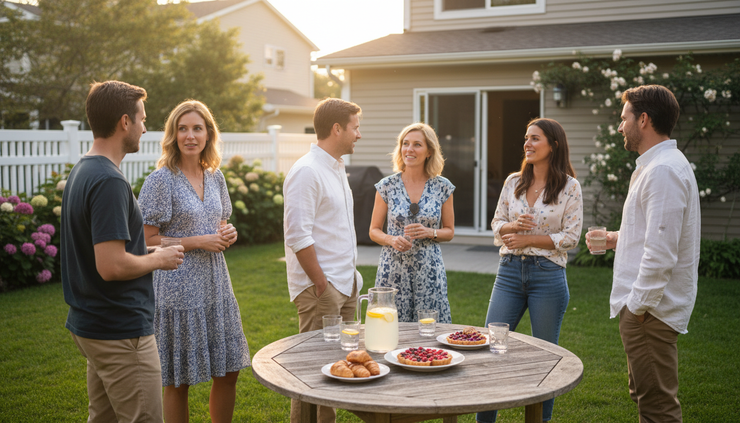
Community events can work well for unique homes or tight-knit neighborhoods. A Saturday open house with a small porch setup, local coffee, and casual neighbor invitations can help buyers feel the area, not just the floor plan.
Neighbors matter. They may know someone who wants to move nearby. Let them know the home is for sale and invite them to share it with friends.
Practical tip: Hold the open house soon after the listing goes live. Early activity can create momentum.
Build strong relationships with real estate agents
Agents can expand a home’s reach before the public rush begins. A well-connected agent may know buyers who are waiting for a specific style, price point, or location.
Good agent relationships start before showings. Share clean listing details, strong photos, access instructions, and seller preferences early. If the home has special features, make them easy to explain.
For example, if a home has a newer roof, updated HVAC, a flexible guest room, and low-maintenance landscaping, give agents those details in a short, clear format. Buyers often ask practical questions. Agents need answers fast.
A broker open can also help. This gives local agents a chance to preview the home and match it with clients. It can uncover feedback before the first public open house.
Practical tip: Ask for honest feedback after early showings. If several buyers mention the same issue, address it quickly when possible.
Ready to sell with a clear plan instead of guesswork? Contact Veronica Chinchilla to talk through your home selling strategy.
FAQ
What helps a home sell faster?
Price, presentation, exposure, and access all matter. A well-priced home with strong photos, clear listing copy, and easy showing times usually gets more attention.
Are virtual tours worth it?
Yes, especially for buyers comparing homes online or relocating from another area. A virtual tour helps them understand the layout before booking a visit.
How much should I stage before listing?
Focus on the rooms that drive decisions. The living room, kitchen, primary bedroom, and outdoor space should look clean, open, and easy to imagine using.
Do open houses still attract serious buyers?
They can. Serious buyers often use open houses to compare homes quickly. A planned event with good follow-up can turn a visit into a showing or offer.
Why do agent relationships matter?
Agents talk to active buyers every day. When they understand a home’s strengths, they can match it with the right people faster.
The takeaway
Selling faster does not come from one tactic. It comes from doing the basics well and making the home easy to find, easy to understand, and easy to visit.
Start with strong visuals. Support the listing with local search. Use social platforms with clear, fair messaging. Make open houses feel useful. Work with agents who know how to position the home clearly.
That is how a listing gets attention from the right buyers sooner.


Comments